Male Health and T
MALE HEALTH
TESTOSTERONE & ED
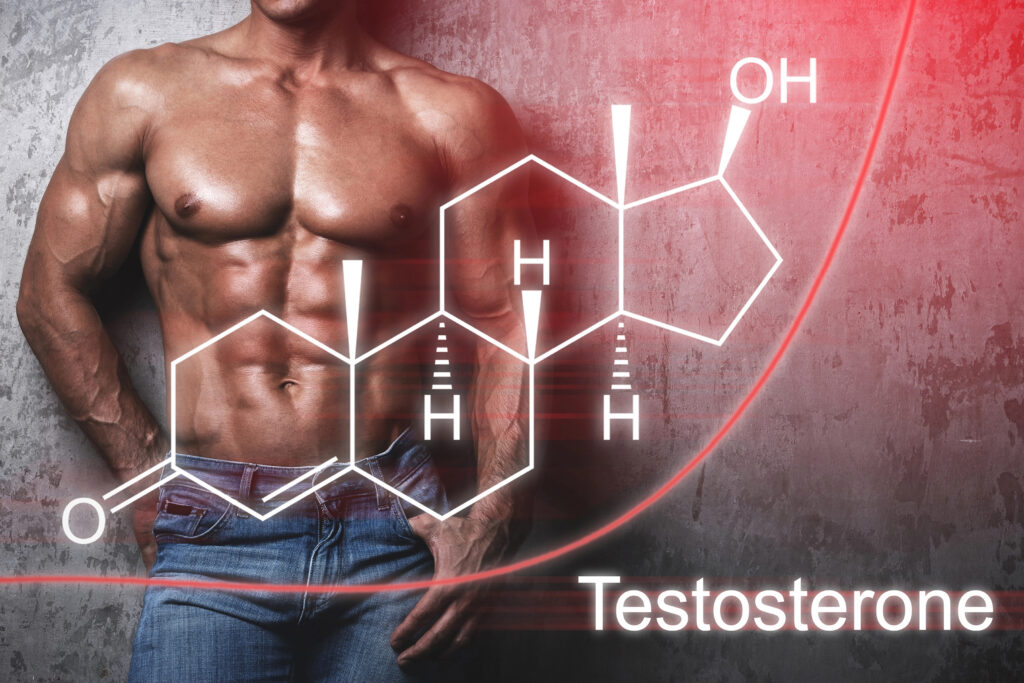
You can naturally increase your male testosterone levels by optimizing your sleep, engaging in heavy resistance training, maintaining a healthy body weight, and correcting micronutrient deficiencies. Hormonal balance is closely tied to overall metabolic health, meaning that sustainable lifestyle shifts are the most effective way to improve your baseline hormone production.
1. Prioritize Quality Sleep
-
- Your body releases the vast majority of its daily testosterone while you are asleep, peaking during deep and REM cycles.
- Target 7 to 9 hours: Consistently getting fewer than 5 hours of sleep per night can slash daytime testosterone levels by 10% to 15%.
- Keep a regular schedule: Disrupting your circadian rhythm—such as frequently changing shifts—directly impairs optimal hormone synthesis.
2. Lift Weights and Optimize Exercise
-
- Physical activity triggers your body to produce more testosterone, but the format of your training matters significantly.
- Focus on resistance training: Lifting heavy weights 2 to 3 times a week is highly effective.
- Focus on compound movements like squats and chest presses that engage large muscle groups.
- Incorporate HIIT: High-intensity interval training has been proven to elevate free testosterone levels, even in previously sedentary men.
- Avoid overtraining: Excessively long endurance training, like preparing for marathons or ultramarathons, raises cortisol and can actually suppress your testosterone.
3. Adjust Your Nutrition
-
- Hormones rely directly on your nutritional foundation.
- Avoid extreme crash diets or ultra-low-fat meal plans, as your body requires healthy fats to synthesize testosterone.
- Eat healthy fats: Ensure 20% to 35% of your daily calories come from healthy fats found in olive oil, avocados, nuts, and eggs.
Incorporate specific micronutrients: Ensure you are meeting your daily goals for crucial vitamins and minerals.
-
- Zinc: Found heavily in oysters, shellfish, and lean beef, a zinc deficiency directly shuts down optimal testicular function.
- Magnesium: Found in dark leafy greens, seeds, and nuts, magnesium prevents proteins from binding to testosterone, keeping more “free” usable hormone in your blood.
- Vitamin D: Spend time in the sun or take a supplement if you are deficient, as vitamin D serves as a natural hormone precursor.
4. Manage Body Weight and Stress
-
- Obesity and chronic stress are two of the biggest silent inhibitors of male hormone production.
- Reduce excess body fat: Excess adipose (fat) tissue contains the aromatase enzyme, which actively converts your available testosterone into estrogen. Losing weight can improve your natural production by up to 30%.
- Lower your cortisol: Chronic mental or physical stress floods your system with cortisol. Cortisol and testosterone operate on a seesaw; as cortisol stays elevated, testosterone production drops.
5. Reduce Toxins and Alcohol Intake. Limit alcohol: Consuming more than two drinks per day alters your endocrine system and accelerates the conversion of testosterone into estrogen.
-
- Minimize endocrine disruptors: Avoid heating food or drinking hot liquids out of plastic containers.
- Chemicals like BPA and phthalates act as anti-androgens and can degrade hormone levels over time.
- Swap them out for glass or stainless steel.
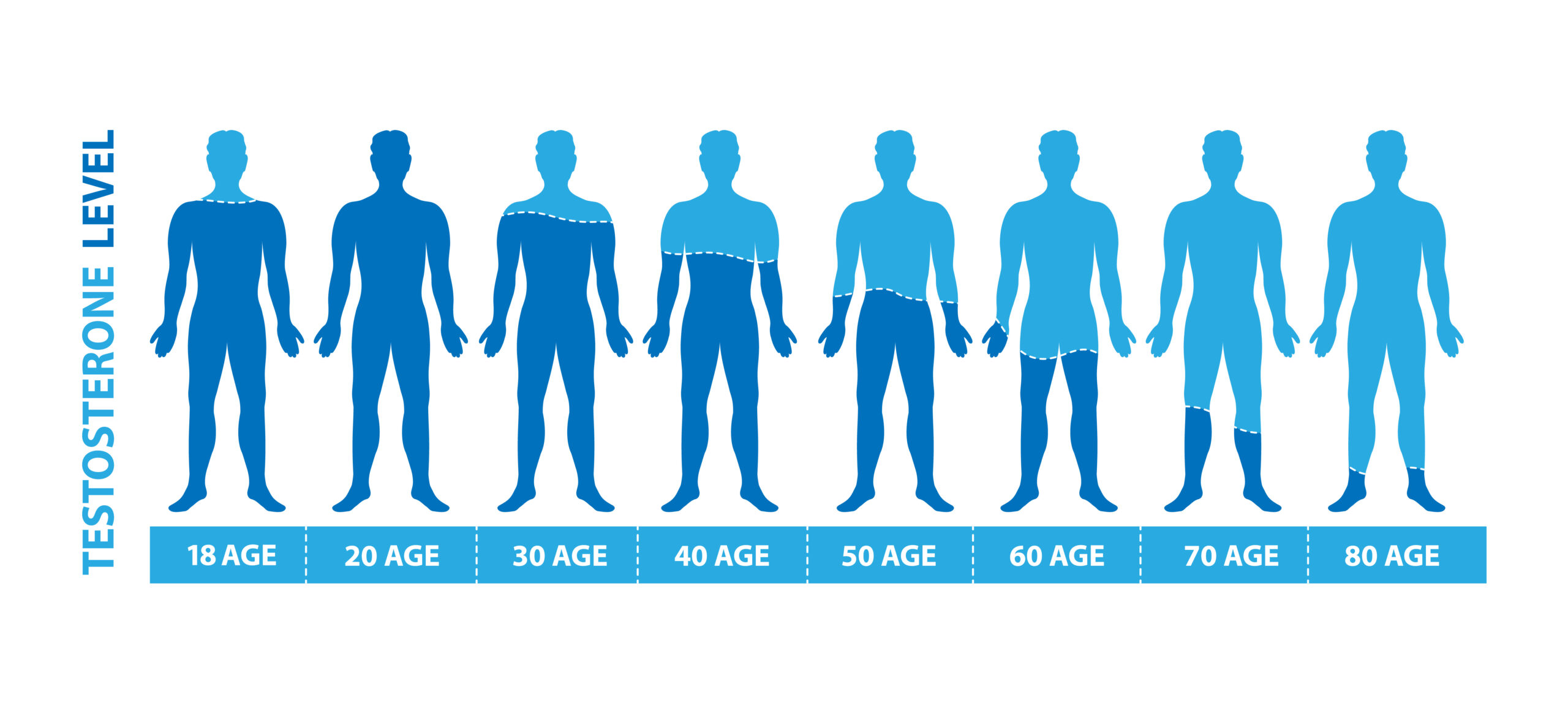
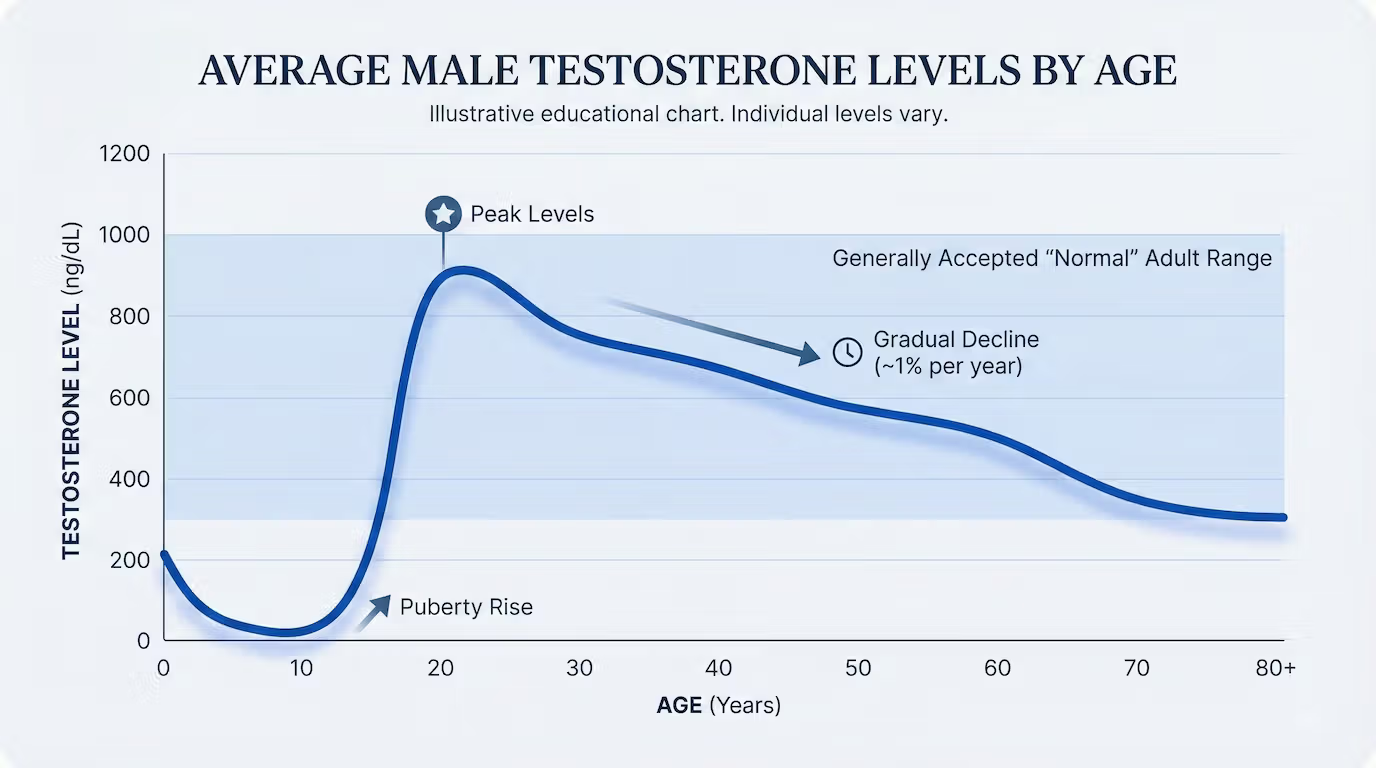
Implementing these five highly effective, science-backed lifestyle changes will naturally optimize your levels:
-
-
- Lift Heavy Weights: Focus on compound movements like squats, deadlifts, and bench presses. High-intensity resistance training involving large muscle groups has been proven to significantly spike testosterone levels.
- Reduce Excess Body Fat: Obesity directly lowers testosterone. Losing weight through diet and resistance training is one of the single most impactful things you can do to restore your testosterone to a healthy range.
- Prioritize Quality Sleep: Testosterone production primarily occurs during deep, restorative REM sleep. Cutting sleep short by just a few hours can reduce daytime testosterone by roughly 10% to 15%.
- Eat a Nutrient-Dense Diet: Ensure your diet includes adequate lean proteins and healthy fats (such as avocados, nuts, and olive-oil). For optimal testosterone synthesis, it is vital to get enough zinc and vitamin D through foods or sun exposure.
- Manage Chronic Stress: Long-term stress increases cortisol, a hormone that actively competes with and suppresses testosterone production. Mindful practices and consistent exercise help regulate these stress hormones.
-
- To increase testosterone naturally, focus on losing excess body fat, lifting heavy weights, prioritizing 7-9 hours of deep sleep, and eating a balanced diet rich in healthy fats, zinc, and vitamin D. These steps optimize your hormones without immediate medical intervention.